This blog post is being submitted as an assignment to Saranaz Barforoush as part of the University of British Columbia Master of Journalism course Media Ethics and Leadership. It explores journalistic ethical challenges in coverage of low-carb diets for type 2 diabetes prevention (in some cases, even reversal), applying the Society of Professional Journalists’ principles of truth, minimizing harm, fairness, and public service.
Introduction
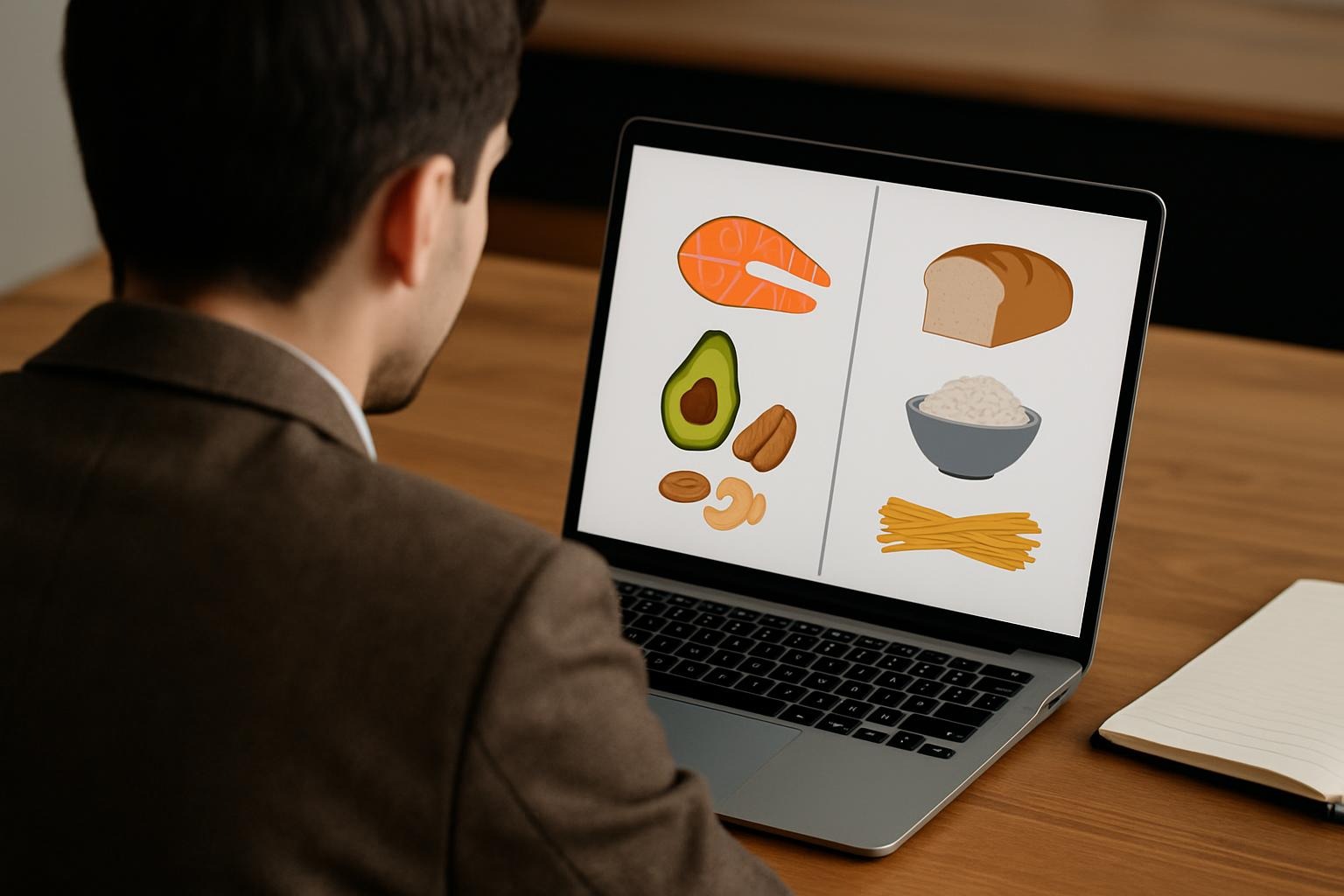
As of 2023, nearly one in three Canadians have pre-diabetes, reflecting a rapidly growing public health crisis, according to Diabetes Canada. The average duration from onset of insulin resistance to full diabetes diagnosis is estimated to be about 10 years, says the Canadian Diabetes Association. This could mean that, by 2035, approximately 11 out of 34 UBC Master of Journalism classmates could be living with diabetes. Motivated to help prevent this through informed public awareness, I have chosen to focus my journalism on covering low-carbohydrate eating shown to reduce diabetes risk. With this memo, I aim to explore ethical challenges journalists face when reporting on such emerging but controversial health strategies.
A growing body of research points to the potential of low-carbohydrate and ketogenic diets to reverse type 2 diabetes — a finding that challenges the longstanding reliance on medication-focused treatment. Media coverage of this emerging paradigm raises ethical questions central to journalism, including the need to balance truthful reporting, minimizing harm, ensuring fairness, and serving the public interest as outlined by the Society of Professional Journalists in 2014.
Ethical issues
The key ethical principles established for journalism by the SPJ and used in these analyses are:
- truth and accuracy — report scientific findings faithfully, providing context on limitations and debates
- minimizing harm — avoid spreading misleading claims that could lead vulnerable patients to unsafe self-management or stopping medication
- fairness and independence — present balanced perspectives including skepticism and patient experience, without undue advocacy or commercial influence
- public service — provide actionable, evidence-based information to help the public make informed health decisions

Ethics of Low-Carb Journalism
The Special Case of Tim Noakes
In every field, there are notable cases that shape ethical requirements. For example, in social psychology, the Milgram experiment on obedience (1963), which caused emotional distress, and the Stanford prison experiment (Haney, Banks, and Zimbardo, 1973), which unintentionally encouraged violence, stand out.
In low-carb diet reporting for type 2 diabetes prevention, a prominent case involves South African professor Tim Noakes, a leading low-carb, high-fat (LCHF) diet advocate. Early in his career, he promoted carb-loading for athletic performance and co-authored Lore of Running but later rejected his earlier views as lacking scientific support.
@PippaLeenstra @SalCreed Baby doesn't eat the dairy and cauliflower. Just very healthy high fat breast milk. Key is to ween baby onto LCHF
— Tim Noakes (@ProfTimNoakes) February 5, 2014
In 2014, Noakes faced a professional misconduct probe after advising a Twitter user on infant feeding with a low-carb approach. The inquiry, sparked by dietetic complaints, drew intense media interest. Outlets like TimesLIVE and Medium often focused on the controversy and polarized expert views rather than the nuanced science. For instance, TimesLIVE’s coverage sensationalized the dispute and sometimes neglected scientific context, portraying Noakes as an outlier. This approach could undermine truth, fairness and public service, while increasing misunderstanding and stigma against emerging effective therapies, thereby working against harm minimization.
The Health Professions Council of South Africa cleared Noakes of all charges in 2017, concluding his advice was unconventional but not unprofessional, according to The Nutrition Coalition. This case illustrates the important role journalists play in responsibly reporting contested health science amid institutional and commercial conflicts.
Analysing today’s cases
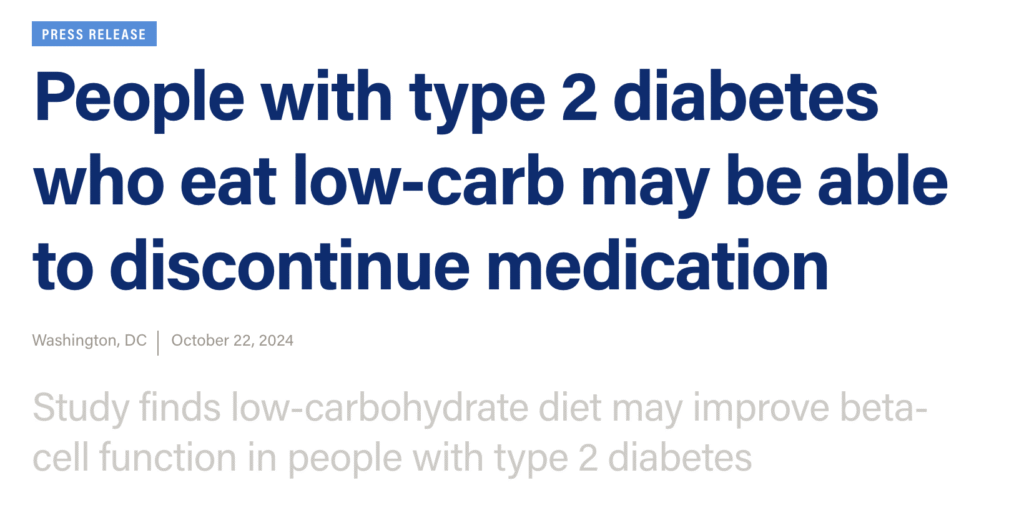
Recent years have seen increased scrutiny of how media and researchers communicate diabetes treatment advances, especially around low-carb diets. For example, the Endocrine Society published research in 2024 showing improved beta-cell function in some patients allowing medication reduction. Health journalist Gary Taubes promotes carbohydrate restriction as therapy through podcasts such as Reversing Diabetes Naturally on The Dr. Hyman Show. These cases highlight current ethical tensions in reporting evolving science.
Case 1: Endocrine Society press release
The 2024 press release reported beta-cell improvements after low-carb interventions, attracting media and advocacy attention. Stakeholders include journalists, researchers, patients, medical authorities and pharmaceutical companies. The core ethical dilemma journalists might face is how journalists might responsibly convey hopeful advances while avoiding false hopes or premature endorsements that could endanger patients. The press release conveys scientific data clearly and responsibly, quoting lead authors and acknowledging research limitations, fulfilling the principle of truth and accuracy. It avoids commercial bias and transparently presents expert affiliations, thereby upholding fairness and independence. By translating research into understandable implications for patients, it performs the public service role effectively. However, the communication around minimized harm could be strengthened. While it cautions that further studies are needed and does not promise immediate medication cessation, it lacks explicit warnings urging patients to avoid unsupervised management changes. Moreover, while sponsors of the research project are listed in the press release, full disclosure concerning funder influence or conflicts of interest is not explicitly detailed, limiting accountability.
Case 2: Podcast with Gary Taubes
Taubes’ podcast synthesizes scientific research on carbohydrate-restricted diets with patient testimonies, promoting empowerment through informed dietary choices. For the most part, it respects scientific rigour and acknowledges the need for continued research, affirming truth and accuracy. In its fulfillment of the principle of public service, it educates listeners on study designs and nutritional controversies, encouraging consultation with healthcare professionals.
Nonetheless, the podcast sometimes conveys unqualified optimism about diet-led diabetes remission, which, combined with enthusiastic endorsements, risks misleading audiences toward potentially unsafe self-management. Despite disclaimers, stronger emphasis on medical supervision would be helpful to better ensure minimizing harm. Additionally, the podcast prioritizes supportive viewpoints of low-carb approaches, offering limited critical viewpoints or broader medical skepticism, thus challenging fulfillment of fairness and independence.
Ethical conflicts in reporting
These cases show the tension between seeking truth and minimizing harm when reporting emerging, sometimes contested health science. Sensational headlines like Reversing Diabetes Naturally: The Science Big Medicine Ignored catch audience attention but risk misinformation. Excessive caution could also underreport life-saving breakthroughs. The SPJ code helps balance accuracy, harm reduction, independence and accountability. Journalist should combine expert knowledge, patient voices and transparent discussion of research gaps to avoid premature claims that risk false hope or medical misuse.
Conclusion
Reporting on new health science requires balancing truth, fairness, minimizing harm and public interest carefully. These case studies illustrate principles in tension within complex health topics shaped by science, institutions and commercial interests. For future journalists covering dietary prevention of diabetes, understanding these challenges and upholding rigorous standards will enable responsible, impactful reporting.
Sources
Canadian Diabetes Association. 2024. 2024 Backgrounder: Diabetes in Canada. https://www.diabetes.ca/getmedia/d7bd5e56-a654-450e-b8ee-0cd05f28ee46/2024-Backgrounder-Canada.pdf
Diabetes Canada. 2023. Diabetes in Canada. https://www.diabetes.ca/advocacy-policies/advocacy-reports/national-and-provincial-backgrounders/diabetes-in-canada
Endocrine Society. 2024. People with type 2 diabetes who eat low-carb may be able to discontinue medication. https://www.endocrine.org/news-and-advocacy/news-room/2024/people-with-type-2-diabetes-who-eat-low-carb-may-be-able-to-discontinue-medication
Haney, C., W.C. Banks and P.G. Zimbardo. 1973. Interpersonal dynamics in a simulated prison. International Journal of Criminology and Penology 1:69-97.
Homovexedus. 2017. Tim Noakes has lost it. Medium. https://medium.com/@homovexedus/tim-noakes-has-lost-it-c94fa456912f
Medical Brief. 2017. Noakes cleared of misconduct: Full HPCSA judgment. Medical Brief. https://www.medicalbrief.co.za/oakes-cleared-misconduct-full-hpcsa-judgment/
Milgram, S. 1963. Behavioral study of obedience. Journal of Abnormal and Social Psychology 67(4):371-378.
Noakes, T.D. 1985. Lore of Running. Human Kinetics.
Noakes, Tim [@ProfTimNoakes]. 2014. Key is to wean baby on to LCHF, neither would anyone have known what the percentages of an LCHF diet is in complementary feeding [Tweet]. X. https://x.com/ProfTimNoakes/status/431133258466611200
Society of Professional Journalists. 2014. SPJ code of ethics. https://www.spj.org/ethicscode.asp
Taubes, G. 2025. Reversing diabetes naturally: The science big medicine ignored [Audio podcast episode]. The Doctor’s Farmacy with Mark Hyman. https://drhyman.com/blogs/content/podcast-ep1028
The Nutrition Coalition. 2018. Professor Noakes found innocent (again)! https://www.nutritioncoalition.us/news/2018/6/8/professor-noakes-found-innocent-again
TimesLIVE. 2016. Scientists accuse Noakes of scare-mongering. TimesLIVE. https://www.timeslive.co.za/news/south-africa/2016-04-20-scientists-accuse-noakes-of-scare-mongering/


Comments are closed